Building an inviting and visually stunning exterior can change the way your home is seen. Landscape design acts a pivotal role in enhancing curb appeal, providing not only visual advantages but also increasing property value and providing a pleasant first impression. Whether you’re preparing to sell your home or simply want to enjoy an outdoor space that enhances your lifestyle, grasping how intentional landscape elements combine can really matter.
Definition of Curb Appeal and Its Importance?
Curb appeal refers to the complete appeal of a property as perceived from the street. It significantly influences the first impression people, neighbors, and potential buyers have regarding your home. Well-executed landscaping, including well-kept lawns, vibrant flower beds, and clean walkways, conveys care and pride in your property.
Besides improving outdoor aesthetics, enhanced curb appeal can improve your property value—studies indicate potential buyers are likely to pay extra for homes with engaging exterior designs. Additionally, a stunning landscape provides a welcoming atmosphere, helping your home attract attention locally and providing family enjoyment throughout the year.
How Does Plant Selection Impact Curb Appeal?
Opting for the right plants is essential to thriving landscape design and boosting curb appeal. A wide mix of shrubs, trees, and colorful flower beds incorporates texture, vibrant color schemes, and dimension to your garden. Adding native plants helps they grow well naturally, needing less water and maintenance, while drought-tolerant species aid in conserving resources and maintain beauty even during dry spells.
Adding a mix of perennial and annual plants provides lasting seasonal interest. Perennials offer lasting greenery and recurring blooms, whereas annuals produce bursts of fresh color that can be switched throughout the year. Ground cover plants fill gaps, prevent erosion, and add richness without overpowering the design.
What Role Do Hardscaping Elements Contribute to Improving Curb Appeal?
Hardscaping aspects such as walkways, patios, driveways, retaining walls, and decking establish structure and function within your outdoor space. They bring durability and visual appeal by marking pathways and gathering areas while matching your home’s architecture.
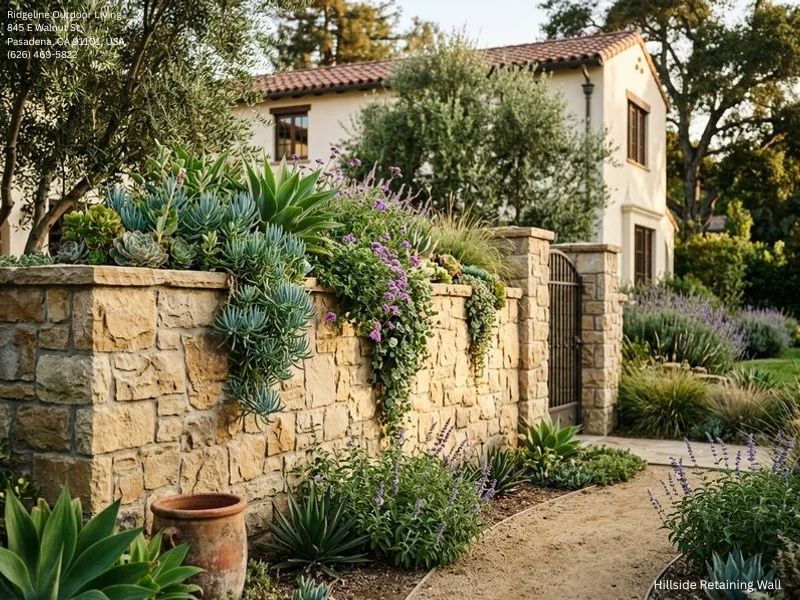
Utilizing quality materials like natural stone offers elegance and longevity with minimal upkeep. Retaining walls not only stabilize slopes and create terraced garden beds but also add architectural interest. Borders and edging separate different zones, establishing balance and neat organization which collectively boost your landscape’s charm.
How to Outdoor Lighting Enhance Your Landscape Design?
Outdoor lighting transforms gardens after dusk by emphasizing textures, colors, and focal points, thereby prolonging usability and boosting safety. Well-placed garden lighting along pathways enhances navigation and minimizes trip hazards, while uplighting features such as trees, water elements, or topiary creates dramatic depth and ambiance.
Security lighting repels unwanted activity without sacrificing aesthetic appeal. Combining soft ambient lights with spotlights creates layers of illumination that encourage evening enjoyment and showcase your landscape architecture under a different light.
How Is Lawn Care and Maintenance Important for Outstanding Curb Appeal?
A lush, healthy lawn offers a vibrant green backdrop that accentuates all other landscaping features. Proper lawn care involves regular mowing, edging, and irrigation to ensure uniformity and neatness. Attention to soil health through amendments like compost and mulch boosts nutrients and holds moisture, fostering strong grass and plant growth.
Preserving crisp, crisp edges around garden beds and walkways increases visual definition. Consistent upkeep avoids overgrowth, weeds, and patchy areas, helping your outdoor space feels refined and inviting at all times.
How Do Focal Points and Garden Ornaments Enhance Curb Appeal?
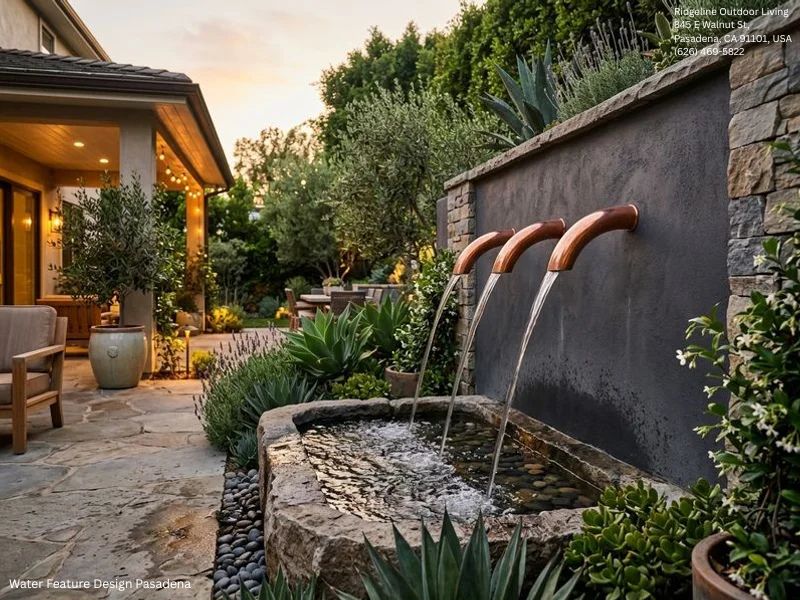
Focal points including water features, statues, or distinctive topiary immediately attract attention and provide personality to your landscape design. These elements break up monotony and introduce unique character, helping your front yard distinct.
Additional touches for example chic mailbox designs, comfortable seating areas, and well-chosen outdoor furniture create inviting spaces for relaxation and socializing. Garden ornaments arranged deliberately can reflect your style while enhancing surrounding plants and hardscaping.
How Can Symmetry, Balance, and Scale Be Used in Landscape Design?
Using principles of symmetry and balance leads to a cohesive and appealing aesthetic. Symmetrical arrangements of plants and structures boost formal design styles, while asymmetrical balance creates a natural, relaxed feel when executed well.
Scale ensures that plants and hardscape features match with your home and each other, reducing overcrowding or sparse areas. Using varied textures and color schemes boosts visual interest by stimulating multiple senses and leading the eye throughout your landscape.
What Are Sustainability Considerations in Landscape Design for Curb Appeal?
Sustainability in landscape design lowers environmental impact while ensuring lasting beauty. Using eco-friendly practices like preferring drought-tolerant and native species decreases water usage and protects local ecosystems.
Employing proper drainage prevents water runoff and soil erosion, safeguarding plant health. Compost and mulch improve soil structure and fertility naturally. Sustainable gardening techniques ensure your outdoor space stays vibrant with lower maintenance demands, supporting both nature and your budget.
How Can Privacy Screens and Retaining Walls Elevate the Function and Aesthetics?
Privacy screens such as shrubs, hedges, or decorative fencing form secluded areas that increase comfort and usability of outdoor living spaces. They also add vertical layering, contributing lively texture and height variation to landscape design.
Retaining walls secure slopes and give structural support, facilitating terraced garden beds that enhance planting areas. Made from natural stone or complementary materials, these walls blend functionality with elegant architectural appeal, enhancing hardscaping tips overall curb appeal.
Seasonal Landscape Design Tips to Sustain Year-Round Curb Appeal
Varying seasonal plants in residential landscaping Glendale CA garden beds and container plants holds your landscape vibrant and colorful throughout the year. Spring bulbs, summer annuals, autumn foliage, and winter evergreens offer varied interest and adjust to changing weather conditions.
Often replenishing mulch and pruning promote plant health and sustained attractiveness. Planning for seasonal transitions provides continuous bloom cycles and visual warmth, boosting your home’s outdoor aesthetics no matter the month.
The Impact of Pathway Design on Visual Flow and Accessibility
Walkways and pathways lead visitors comfortably through your landscape, elevating both accessibility and first impressions. Well-designed paths with natural stone, borders, and proper edging create clean lines that draw the eye and promote comfortable navigation.
Strategic placement of pathways also controls traffic flow, safeguarding delicate plantings and garden beds. This purposeful design elevates outdoor architecture and creates a unified, welcoming approach to your home.
The Value of Professional Landscape Architecture vs. DIY Approaches
Employing expert landscape architects provides in-depth insights in plant selection, sustainable practices, and architectural harmony designed to your specific site and goals. Professionals can improve curb appeal while accounting for long-term maintenance and property value enhancements.
DIY landscaping offers cost savings and personal satisfaction but requires time, horticultural knowledge, and skill to perform effectively. For homeowners maximize investment and achieve polished results, professional services often prove worthwhile. However, integrating professional guidance with some DIY elements can provide a balanced approach.
Frequently Asked Questions (FAQ)
- What are the easiest landscaping changes to improve curb appeal quickly?Basic measures involve adding fresh mulch, planting seasonal flowers, trimming overgrown shrubs, and cleaning walkways. These low-cost actions create immediate visual improvements without major projects. How much does professional landscape design typically cost?Costs vary depending on scope but small-scale designs generally start around $1,500 to $5,000, while extensive renovations can surpass $20,000. Budgeting relies on materials, size, and complexity of design. Can landscape design increase my home’s resale value?Yes, well-planned landscaping can increase property value by 10-15%, making it a profitable investment that pays off when selling your home. How do I choose plants that require low maintenance?Opt for native, drought-tolerant, and perennial plants suited to your local climate. These species thrive naturally and reduce watering and ongoing care requirements. What is the best way to light my garden for safety and aesthetics?Use a combination of pathway lights for guidance, spotlights on key focal points, and soft ambient lighting to balance visibility with pleasant atmosphere.
Ridgeline Outdoor Living
Ridgeline Outdoor Living is a Pasadena-based landscape design-build company serving Greater Los Angeles with custom outdoor living, hardscape, and drought-tolerant landscape solutions. The company specializes in patios, retaining walls, outdoor kitchens, drainage, hillside projects, and turnkey landscape construction, handling projects from design and permitting through final build and warranty.
Address:
845 E Walnut St,
Pasadena,
CA
91101,
United States
Phone: (626) 469-5822
Map: View on Google Maps
Business Hours:
- Monday – Saturday: 8:00 AM – 6:00 PM
- Sunday: Closed
Follow Us: