Designing a beautiful and efficient outdoor space is possible with professional hardscape and landscape construction. Whether you want to develop elegant patios, sturdy retaining walls, or verdant garden beds, comprehending the components and processes involved can help you organize an effective plan. This in-depth guide presents all necessary information on hardscape and landscape construction to elevate your outdoor living space.
Explaining Hardscape and Landscape Construction
Hardscape and landscape construction are two landcaping contractors pasadena fundamental elements of outdoor design that function jointly to create beautiful and practical exterior spaces. Hardscape refers to the non-living aspects such as pavers, retaining walls, patios, walkways, decking, stonework, and other structural details. In contrast, landscape construction embraces the living aspects including adding trees, shrubbery, garden beds, soil preparation, irrigation, and lawn care.
The contrast between hardscape and softscape (landscape aspects) is essential to landscape architecture. Hardscape offers the framework and surfaces while landscape construction enriches the space with vegetation and environmentally sound approaches like xeriscaping. Combining both fields creates a balanced, functional, and aesthetically enjoyable outdoor setting customized for your requirements and weather.
Important Parts of Hardscape Construction
Hardscape construction includes a diversity of structural features designed to improve functionality and boost outdoor aesthetics. These features not only add to visual attractiveness but also support outdoor living.
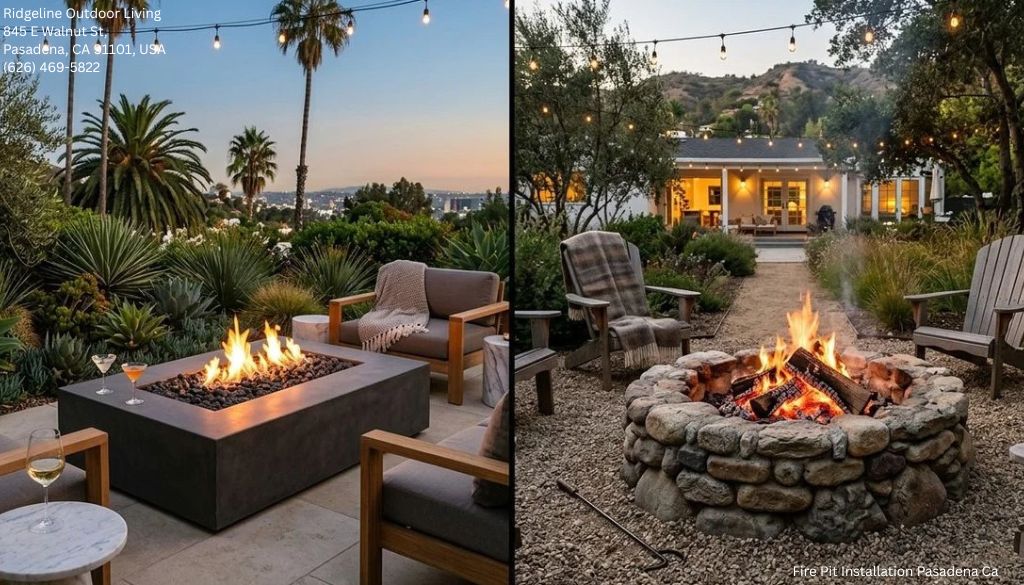
- Pavers: Designed for patios, walkways, and driveways, pavers are available in different materials such as concrete, brick, and natural stone. Retaining Walls: Necessary for slope stabilization and erosion control, retaining walls can be built with stone, concrete blocks, or timber. Patios & Decking: Provide inviting spaces for hosting, often crafted from wood, composite materials, or stamped concrete. Stonework & Concrete Stamping: Decorative stone veneer and stamped concrete bring texture and style to pathways and outdoor kitchens. Fire Pits & Seating Walls: Create inviting gathering spots and efficient seating areas integrated into the hardscape design. Outdoor Kitchens & Garden Structures: Incorporate pergolas, arbors, and fences that merge architectural interest with usability. Terraces & Edging: Outline garden beds and offer level areas on uneven terrain.
These elements call for expert installation to provide durability and integration with landscape features like drainage and lighting systems.
Essential Elements of Landscape Construction
Efficient landscape construction centers on cultivating a healthy and vibrant environment that complements the hardscape. Key elements include:
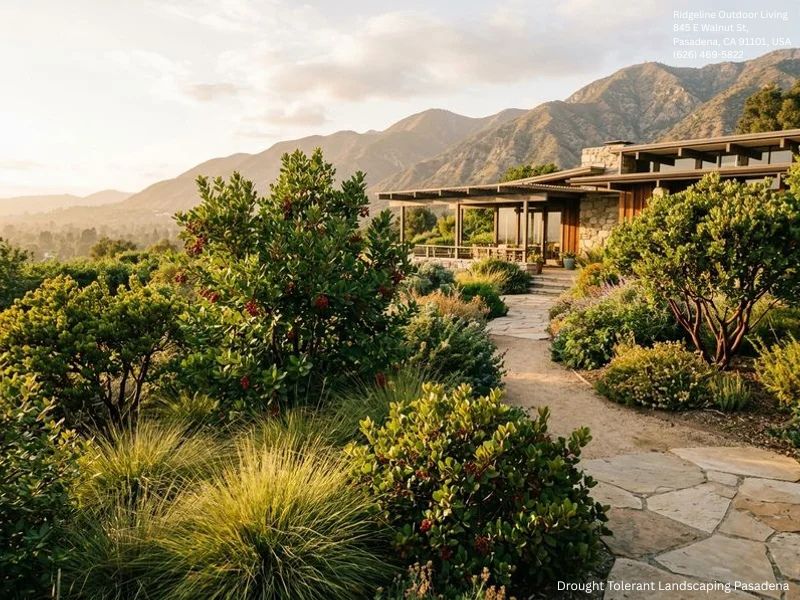
- Grading & Soil Preparation: Correct grading directs water flow and prevents erosion, while soil preparation ensures nutrient-rich ground for planting. Irrigation & Sprinkler Systems: Automated irrigation designs manage water and promote healthy plant growth. Planting Trees, Shrubbery & Garden Beds: Careful selection and placement of vegetation increase beauty, privacy, and environmental benefits. Sod Installation & Turf Management: Creates lush lawns involving routine lawn care for long-term vitality. Mulch & Compost Mulch: Conserve moisture, reduce weeds, and boost soil quality. Xeriscaping: Incorporates drought-tolerant plants and efficient irrigation for sustainable landscaping. Drainage Systems: Stop water accumulation that could damage plants and hardscape structures.
Incorporating these elements builds a sustainable, low-maintenance landscape that flourishes in your local environment.
Planning Your Hardscape and Landscape Project
Efficient outdoor construction projects depend on strategic planning to align design, budget, and site conditions.
- Landscape Design & Planning: Use professional landscape architecture services or software tools to visualize layouts including terraces, garden beds, and walkways. Site Assessment & Excavation: Examine soil type, slope, drainage, and existing vegetation; excavation conditions the ground for new installations. Slope Stabilization & Erosion Control: Critical for hillside properties using retaining walls, terraces, and landscape fabric. Selecting Landscape Contractors: Choose licensed professionals qualified in integrating hardscape and landscape elements. Permits & Regulations: Ensure compliance with local zoning laws and building codes to avoid delays. Budget Planning: Account for costs for materials, labor, irrigation systems, lighting, and ongoing maintenance.
Effective planning simplifies installation, enhances aesthetic impact, and reduces unforeseen expenses.
Installation and Construction Process Overview
The construction phase transforms designs into reality through organized steps:
- Excavation & Soil Preparation: Digging and leveling the site to establish a secure base. Grading: Forming slopes and contours to handle water runoff effectively. Paver Installation & Retaining Wall Building: Placing foundations with compacted base materials, followed by precise placement of stones and blocks. Irrigation Setup & Sprinkler Systems: Fitting piping and control systems for proper watering. Drainage Systems: Installing French drains, swales, or catch basins to preserve landscape health and hardscape integrity. Lighting Installation: Enhancing safety and ambiance with thoughtfully arranged landscape lighting along pathways, patios, and garden features.
Throughout construction, compliance with best practices ensures long-lasting, visually appealing results.
Materials and Techniques Used in Hardscape and Landscape Construction
Picking the right materials and methods impacts both durability and appearance.
- Natural Stone vs. Concrete: Stone offers classic beauty and strength, while concrete is versatile and cost-effective, especially with stamping techniques to mimic stone patterns. Decorative Rocks & Boulders: Function as focal points or edging in garden beds and terraces. Gravel Paths: Provide permeable surfaces that reduce runoff and complement xeriscaping. Stone Veneer: Adds texture to seating walls, outdoor kitchens, and retaining walls without the weight of full stone. Compost and Mulch Fertilizer: Improves soil quality and soil moisture crucial for plant success. Landscape Fabric: Installed under gravel or mulch to prevent weed spread and preserve land base.
Advanced sustainable techniques like drainage pavers and rainwater gardens are growing in popularity for eco-friendly landscaping solutions.
Benefits of Professional Hardscape and Landscape Construction Services
Hiring experienced professionals ensures various positives:
- Experience & Excellent Workmanship: Qualified builders deliver careful placement and choosing suitable materials and vegetation. Project Efficiency: Experts handle schedules, permits, and coordinate trades to minimize delays. Enhanced Worth & Attractive Appearance: Carefully designed landscapes enhance investment value and beauty. Tailored Outdoor Lifestyle Features: Custom outdoor kitchens, fire pits, pergolas, and lighting designed for your lifestyle. Warranty & Support: Reputable experts offer guarantees and maintenance advice for sustained performance.
Overall, skilled services bring confidence and superior outdoor living.
Care Guidelines for Durable Hardscape and Landscape Elements
Diligent maintenance extends your investment and keeps your outdoor environment attractive year-round.
- Consistent Lawn Maintenance & Turf Care: Cutting, aerating, feeding, and pest management encourage lush turf. Irrigation Equipment Care: Seasonal checks and adjustments prevent water waste and plant stress. Drainage System Servicing: Clearing debris from drains and gutters avoids pooling and foundation issues. Plant Maintenance & Seasonal Garden Updates: Supports plant health and refreshes garden beds with seasonal color. Hardscape Washing & Maintenance: Pressure cleaning pavers and checking for damage prolong the lifespan of patios and paths.
Setting up maintenance timings helps your landscape continue to be enjoyed and admired.
Frequently Asked Questions About Hardscape and Landscape Construction
Can you explain the difference between hardscape and landscape construction?
Hardscape work entails the setup of permanent components like patios, retaining walls, and walkways, while landscape design centers on planting and cultivating living components such as trees, shrubs, and lawns.
How much time is needed for a standard hardscape and landscape project?
Project duration depends on scope and complexity but usually ranges from several weeks to a few months, considering design, permits, excavation, installation, and planting.
What permits must I obtain before commencing a landscape or hardscape project?
Required permissions are determined by location and project scale. Typically, substantial hardscape features like retaining walls over a certain height or outdoor kitchens need permits. Always verify local regulations before beginning.
Can hardscape features be installed DIY or is professional assistance recommended?
You can do DIY installation for smaller, simpler projects, but professionals deliver skill for complex designs, guaranteeing durability and compliance with safety standards.
What are the toughest materials for outdoor patios and walkways?
Stone and concrete paver materials are among the most durable options, giving resistance to weather, wear, and heavy use when properly installed.
What is the proper way to maintain retaining walls and garden beds?
Routine inspection of cracks or shifts, clearing drainage channels, and replenishing mulch aid the maintenance of retaining walls, while garden beds benefit from consistent weeding, mulch application, and soil health monitoring.
What difficulties occur in landscape and hardscape construction and how to circumvent them?
Frequent challenges consist of poor site drainage, incorrect grading, and choosing incompatible plants or materials. These can be circumvented with thorough planning, hiring experienced contractors, and adhering to landscape architecture principles.
Thoughtful hardscape and landscape construction can greatly boost your property’s charm and practicality. By knowing important aspects, planning carefully, selecting materials wisely, and caring for your installation, you will benefit from a long-lasting outdoor retreat. Whether you opt for professional contractors or do-it-yourself projects, this guide provides you with essential knowledge for success. Start planning your dream outdoor environment today and unlock the full potential of your home or commercial property.
Ridgeline Outdoor Living
Ridgeline Outdoor Living is a Pasadena-based landscape design-build company serving Greater Los Angeles with custom outdoor living, hardscape, and drought-tolerant landscape solutions. The company specializes in patios, retaining walls, outdoor kitchens, drainage, hillside projects, and turnkey landscape construction, handling projects from design and permitting through final build and warranty.
Address:
845 E Walnut St,
Pasadena,
CA
91101,
United States
Phone: (626) 469-5822
Map: View on Google Maps
Business Hours:
- Monday – Saturday: 8:00 AM – 6:00 PM
- Sunday: Closed
Follow Us: