Creating a sustainable outdoor space is no longer just an possibility—it’s a necessity. Eco-friendly landscape construction techniques help homeowners, designers, and planners to design appealing, useful gardens and landscapes while cutting environmental impact. This comprehensive guide outlines creative strategies, materials, and practices aimed to preserve resources, enhance biodiversity, and support resilient ecosystems right outside your doorstep.
Basics of Sustainable Landscape Construction
Sustainable gardening merges principles of ecology with practical design to create landscapes that prosper with low resource inputs. Water-efficient landscaping decreases the need for irrigation by utilizing drought-tolerant and climate-resilient plants suited to local conditions. Green infrastructure such as rain gardens and permeable pavements manage stormwater onsite, preventing runoff and erosion—key elements of low-impact development strategies.
By embracing sustainable landscape construction, we not only preserve water and enhance soil health but also help habitat restoration and carbon sequestration, minimizing the overall environmental footprint of our outdoor spaces.
Designing Your Eco-Friendly Landscape Project
Efficient sustainable landscaping commences with thoughtful planning that incorporates adaptive design principles. Comprehending microclimates within your property assists identify ideal plant placement to boost survival and cut down water needs. Soil conservation is a key basis, concentrating on safeguarding and strengthening soil structure to foster natural fertility and support plant biodiversity.
Seasonal planting secures year-round interest and resilience, while expanding species boosts ecosystem services such as pollination and pest control.
Opting for Sustainable Materials and Plants
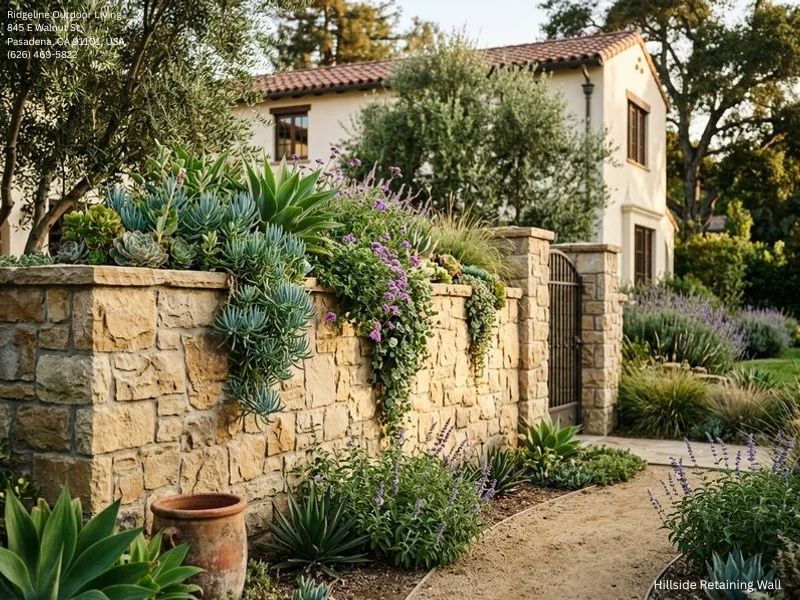
Choosing sustainable sourcing is essential when obtaining materials and plants. Native plants are naturally suited to the local environment, needing less water and fertilizer, and supporting local wildlife. Recycled materials like reclaimed wood or crushed concrete minimize waste and embodied carbon, while natural stone provides durability and aesthetic appeal.
Biodegradable fabrics can be used for weed control without introducing harmful plastics, and fire-resistant plants lower wildfire risk. Incorporating native grasses introduces texture and improves soil stabilization.
Benefits of Native and Climate-Resilient Plants
- Habitat Restoration: Native plants rebuild natural habitats, providing food and shelter for pollinators and birds. Pollinator Gardens: Improve local biodiversity and aid declining pollinator populations. Wildlife Corridors: Link fragmented ecosystems to allow safe movement of species. Tree Preservation: Keeping mature trees sustains carbon storage and microclimate regulation.
Water Management Techniques for Eco-Friendly Landscaping
Water conservation is at the center of sustainable landscaping. Rainwater harvesting collects roof affordable landscapers Pasadena runoff for reuse, decreasing dependency on municipal supplies. Greywater systems repurpose household water for irrigation, further reducing waste. Installing rain gardens uses depressions planted with moisture-loving vegetation to retain runoff while biofiltration removes pollutants.
Drip irrigation along with moisture sensors offers targeted watering efficiently, and energy-efficient pumps decrease electricity consumption in irrigation systems.
Implementing Permeable Paving and Soil Aeration
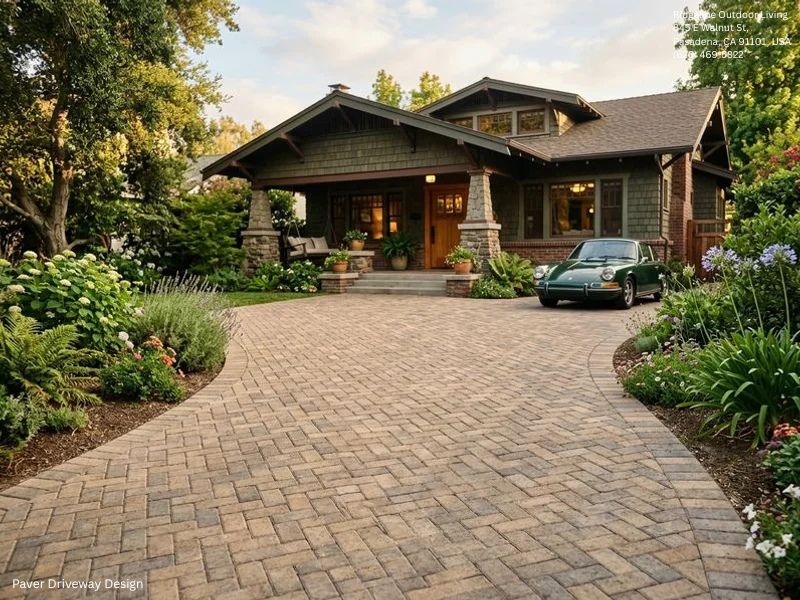
Permeable paving enables rainwater to infiltrate the ground rather than run off impervious surfaces, lessening erosion and supplying groundwater. Soil aeration increases root respiration and promotes healthy microbial activity critical for nutrient cycling. Employing erosion control techniques such as terracing and contour planting on slopes reduces soil loss and increases water retention.
Organic and Natural Soil Amendments
Building fertile soil organically is important for sustainable landscapes. Organic mulch conserves moisture, suppresses weeds, and gradually boosts the soil. Composting garden and kitchen waste restores valuable nutrients and encourages soil biology. No-till gardening saves soil structure and limits disturbance to beneficial organisms.
Natural fertilizers, including animal manures and green manures, offer balanced nutrition without synthetic chemicals, promoting stronger plants and ecosystems.
Innovative Eco-Friendly Construction Practices
Advancements in landscaping technology and design provide appealing eco-conscious options. Green roofs and green walls increase urban green space while insulating buildings and boosting air quality. Vertical gardening optimizes space efficiency, notably in urban settings. Living fences and eco-friendly decking made from sustainable or recycled materials lower the carbon footprint.
Electric landscaping tools reduce noise and air pollution, while solar lighting enhances safety and ambiance using renewable energy.
Enhancing Wildlife and Biodiversity Through Design
Including wildlife-friendly design elements supports local ecosystems. Creating pollinator gardens with diverse flowering plants attracts bees, butterflies, and other beneficial insects. Habitat restoration efforts link fragmented habitats by developing wildlife corridors to hardscaping tips ensure safe passage. Urban forestry programs expand tree canopy cover, reducing heat island effects and improving local biodiversity.
Sustainable Maintenance and Long-Term Care
Eco-friendly gardens demand maintenance plans that give precedence to environmental harmony. Combined pest strategies prioritizes natural controls and farming methods in place of chemical pesticides. Placing root barriers shields structures while enabling plants to prosper. Ongoing soil conservation strategies and landscape rehabilitation maintain the system strong and functional over time.
Tactics for Minimizing Carbon Footprint in Landscaping
Minimizing the carbon footprint of your landscape entails smart choices. Adopting electric landscaping tools running on clean energy, opting for energy-efficient pumps for irrigation, and employing recycled or locally sourced materials all minimize greenhouse gas emissions. Considered plant selection that maximizes carbon sequestration and minimizes maintenance emissions additionally contributes to climate goals.
Conclusion and Future Trends in Eco-Friendly Landscaping
Environmentally friendly landscape construction techniques integrate science, design, and stewardship to develop spaces that care for both people and planet. As adaptive design and climate-resilient plants gain popularity, sustainable sourcing and innovative green infrastructure will develop more. By adopting these practices today, you support a healthier environment and a more pleasing, resilient future.
Begin your eco-friendly garden project today—your garden can be a impactful agent of favorable environmental change.
Ridgeline Outdoor Living
Ridgeline Outdoor Living is a Pasadena-based landscape design-build company serving Greater Los Angeles with custom outdoor living, hardscape, and drought-tolerant landscape solutions. The company specializes in patios, retaining walls, outdoor kitchens, drainage, hillside projects, and turnkey landscape construction, handling projects from design and permitting through final build and warranty.
Address:
845 E Walnut St,
Pasadena,
CA
91101,
United States
Phone: (626) 469-5822
Map: View on Google Maps
Business Hours:
- Monday – Saturday: 8:00 AM – 6:00 PM
- Sunday: Closed
Follow Us: