If you are a homeowner, landscaper, or gardening enthusiast in the 626 area code looking to transform your outdoor space? The landscape design scene in Southern California is progressing swiftly in 2025, merging sustainability with style to address local climate challenges. This detailed guide unveils the best landscaping trends, sustainable solutions, and innovative ideas ideal for the 626 region’s unique environment.
Introduction to Landscaping Trends in 626 Area Code
Landscaping trends in 2025 for the 626 area code emphasize a harmonious blend of elegance, environmental responsibility, and water efficiency. Southern California’s Mediterranean climate requires designs that manage dry summers and mild winters gracefully. Homeowners and professionals alike are embracing regional landscaping ideas that maximize native plant selection, soil health, and modern trusted hardscape contractor technology to build resilient outdoor spaces. Comprehending these trends not only helps with aesthetic upgrades but also supports ecological stewardship in local neighborhoods.

Should you plan a complete yard overhaul or small enhancements, coordinating your landscaping choices with current trends secures your garden grows year-round in the Southern California climate.
Sustainable and Drought-Tolerant Landscaping Solutions
Water conservation is a major concern in the 626 area code. Embracing sustainable design requires selecting drought-tolerant landscaping features that cut water use without compromising greenery and texture. Xeriscaping, native plants, soil health improvement, and organic gardening are essential strategies trending this year.
Incorporating sustainable mulch and composting practices revitalizes the soil and promotes healthy plant growth while cutting waste. Habitat restoration efforts are also growing as they encourage biodiversity and enable local fauna grow.
Indigenous Plants and Pollinator Gardens
Planting native flora and species tailored to Southern California’s conditions is one of the best landscaping decisions homeowners can make. These kinds demand less water and maintenance while providing natural habitats for pollinators such as bees and butterflies.
- Pollinator gardens: Designing lively spaces filled with nectar-rich flowers promotes essential wildlife and boosts garden beauty. Habitat restoration: Renewing natural areas in your yard encourages bird activity and beneficial insects, enriching local ecosystems. Bird feeders: Strategically placed feeders enhance native plantings and welcome feathered friends to your outdoor retreat.
Water Conservation Techniques
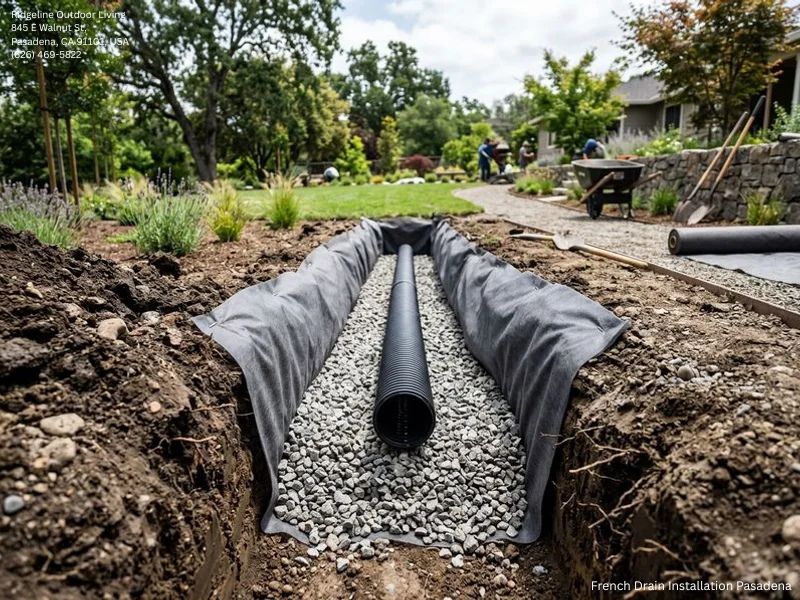
Intelligent irrigation systems that measure soil moisture and weather conditions are revolutionizing water management. Rain gardens capture runoff during rare storms, preventing erosion and aiding plant hydration naturally. Rain barrels act as a sustainable alternative for gathering and reusing rainwater, significantly reducing reliance on municipal supplies. Permeable pavers allow water to drain into the ground rather than pooling, which supports groundwater replenishment and decreases flooding risk.
Outdoor Living Space Enhancements
Outdoor living keeps increasing in popularity, transforming yards into extensions of home interiors. The 626 area code is noticing a rise in patio upgrades showcasing durable, eco-friendly materials alongside cozy seating areas.
Backyard fire places create appealing centers of attention for meetings, while gazebos and other shade structures create pleasant areas to experience Southern California’s sunny climate without discomfort. Outdoor kitchens equipped with efficient appliances make possible easy alfresco dining occasions. Garden benches and outdoor rugs bring levels of coziness and charm to these outdoor spaces.
Garden Features and Decorative Elements
Improving landscapes with artful touches increases curb appeal and individual style. Stone walkways and garden paths navigate visitors through the scenery, often using locally gathered stone or ornamental stone that fits perfectly with the area.
- Retaining walls: Functional and attractive, these develop layers or terraces that prevent soil erosion and offer depth. Garden sculptures and landscape art: Unique installations bring visual interest and display homeowner creativity.
Innovative Garden Design Trends
Vertical gardens and green walls optimize space by raising plants above ground, excellent for compact spaces or accenting blank exterior walls. Container gardening allows convenience, enabling quick rearrangement and easy care for diverse plants.
Edible landscaping, including vegetable beds and herb gardens, fuses purpose with beauty. This trend fosters homegrown produce and herbs, boosting self-sufficiency while adding rich tones and textures to the garden palette.
Landscape Lighting and Privacy Solutions
Efficient outdoor lighting enhances safety and ambiance. Power-saving fixtures such as LED path lighting and solar-powered lamps reduce electricity consumption while illuminating walkways and key landscape features gracefully.
Privacy screens constructed with wood, metal, or lush foliage provide seclusion in thickly settled neighborhoods, establishing intimate retreats without compromising style.
Lawn Alternatives and Eco-Friendly Ground Covers
Landscaping in the 626 area makes a significant influence on regional biodiversity and neighborhood wellness. Careful cultivation encourages native wildlife habitats, attracting pollinators and birds vital for ecological balance. Public awareness and shared sustainable gardening initiatives promote neighborhood cooperation toward greener, healthier environments.
Help Topics
- What native plants grow best in the 626 area code? Coast Live Oak, Manzanita, California Fuchsia, and Toyon are top choices for resilient, drought-tolerant landscaping. How can I maintain a drought-tolerant garden successfully? Use mulch to preserve moisture, install smart irrigation, prune properly, and regularly check soil health. What are the benefits of xeriscaping in Southern California? Xeriscaping reduces water use, lowers maintenance costs, and creates sustainable, eco-friendly landscapes. How do rain gardens help handle stormwater in residential landscapes? They capture runoff, reduce erosion, and purify pollutants before water returns to the groundwater supply. What sustainable materials are best for outdoor patios and walkways? Permeable pavers, decomposed granite, and recycled materials deliver durability and environmental benefits. How can I incorporate edible plants into my home landscape? Set aside garden beds or containers for vegetables and herbs along with ornamental plants to unite beauty and function. What lighting options are energy-efficient and suitable for outdoor spaces? Solar-powered lights and LED fixtures deliver low-energy, long-lasting illumination. How often should smart irrigation systems be adjusted for seasonal changes? Most systems automatically adjust daily, but manual reviews during seasonal transitions ensure optimal settings.
Ridgeline Outdoor Living
Ridgeline Outdoor Living is a Pasadena-based landscape design-build company serving Greater Los Angeles with custom outdoor living, hardscape, and drought-tolerant landscape solutions. The company specializes in patios, retaining walls, outdoor kitchens, drainage, hillside projects, and turnkey landscape construction, handling projects from design and permitting through final build and warranty.
Address:
845 E Walnut St,
Pasadena,
CA
91101,
United States
Phone: (626) 469-5822
Map: View on Google Maps
Business Hours:
- Monday – Saturday: 8:00 AM – 6:00 PM
- Sunday: Closed
Follow Us: